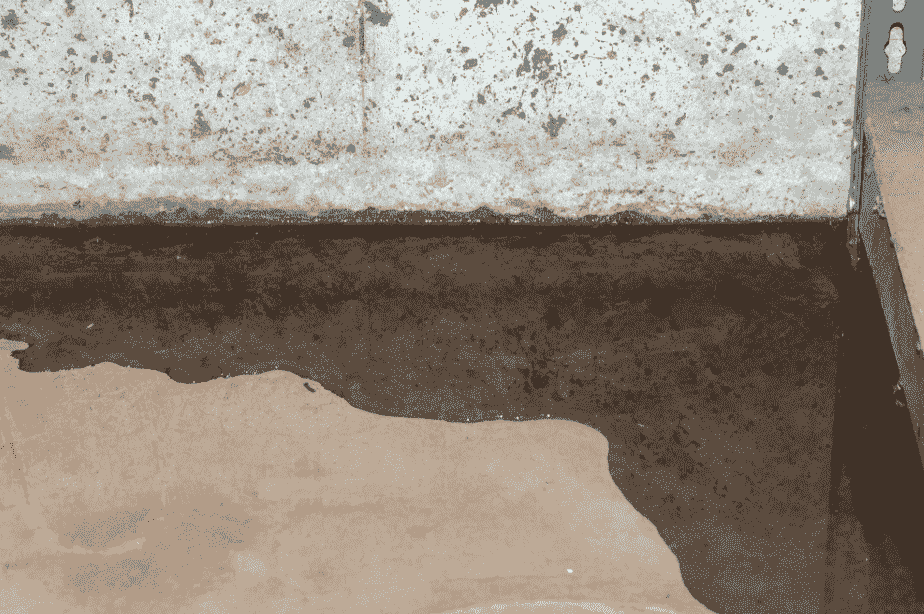
Winter can be harsh on homes, and basements are often the first areas to show signs of trouble. Many homeowners assume that basement flooding only happens during heavy rainfall, but winter conditions such as snow, ice, and frozen ground can be equally damaging.
Water accumulation around your foundation, combined with frozen soil and snowmelt, often leads to leaks. Understanding why basements leak in winter is essential to prevent damage, protect your investment, and maintain a safe, dry living environment.
Below, we break down six major causes of basement leaks during the winter months, along with tips to minimize the risk of damage.
1. Basements Radiate Heat—Causing Melting Snow
Even when temperatures drop below freezing outside, the basement remains warm due to the home’s heating system. This heat radiates through walls and floors, creating a thermal effect that melts nearby snow and frost.
Why this leads to leaks:
- Melted snow accumulates around the foundation walls.
- Excess water saturates the soil and pools against the basement.
- The water takes the path of least resistance, often entering the basement through small cracks or gaps.
Additional considerations:
- Heated basements can radiate heat up to 8 inches from walls, enough to create thawed zones around the foundation.
- Over time, repeated freeze-thaw cycles can expand cracks in walls or floors, making leaks more likely.
Tips to prevent water entry:
- Ensure proper grading so water flows away from the foundation.
- Install drainage tiles or French drains to redirect melted snow.
- Apply waterproofing coatings on foundation walls to protect against water intrusion.
2. Hydrostatic Pressure
Hydrostatic pressure refers to the force exerted by water in the soil surrounding your home. It increases as moisture accumulates from melting snow, rain, or ice.
How hydrostatic pressure causes leaks:
- Water in the soil pushes against basement walls and floors.
- The pressure forces water through even minor cracks or pores in the concrete.
- Over time, hydrostatic pressure can cause new cracks to form, worsening the problem.
Additional factors:
- Frozen soil can increase pressure on the foundation because ice expands as it freezes.
- Poor soil drainage or compacted soil exacerbates the effect.
Preventive measures:
- Install exterior waterproofing or proper drainage systems to relieve pressure.
- Use interior basement drain tiles to redirect water to a sump pump.
- Ensure grading slopes away from the house to reduce water accumulation.
3. Eavestroughs and Downspouts Draining Too Close
Eavestroughs (gutters) and downspouts are designed to collect roof water and direct it away from your home’s foundation. If they are improperly installed or maintained, they can contribute to winter basement leaks.
Common problems:
- Downspouts discharging water too close to the foundation.
- Blocked or frozen gutters preventing water flow.
- Overflow from eavestroughs saturating soil near the basement walls.
Tips to protect your basement:
- Extend downspouts at least 4–6 feet away from the foundation.
- Regularly clean gutters to prevent ice dams.
- Consider installing splash blocks or underground drainage pipes to move water further from the house.
4. Incorrect Soil Around Your Foundation
The soil type around your foundation plays a critical role in how water drains. Some soils retain water, increasing the risk of basement leaks, while others allow water to flow away.
Soil factors that contribute to leaks:
- Clay soil retains water and expands, exerting pressure on foundation walls.
- Loamy or sandy soil drains water more effectively, reducing pressure.
- Poor grading allows water to accumulate near the basement.
Tips for homeowners:
- Regrade soil around your foundation so it slopes away from the house.
- Add gravel or drainage layers to improve water flow.
- Avoid planting water-retaining shrubs or trees too close to your basement walls.
5. Malfunctioning Sump Pump
A sump pump is essential for keeping basements dry by removing excess water from the sump pit and directing it away from the home. During winter, sump pumps face additional challenges.
Common issues:
- Frozen or clogged discharge lines prevent water from leaving the pit.
- Power failures leave the pump inactive during critical snowmelt periods.
- Lack of maintenance reduces efficiency and lifespan.
Prevention tips:
- Inspect and test your sump pump before winter begins.
- Install a backup battery or water-powered pump to maintain operation during power outages.
- Regularly clean the pit and check for debris or clogs in discharge lines.
6. Leaking Window Wells
Basement windows allow light and ventilation but can also be a major entry point for water if not properly maintained.
Why window wells leak in winter:
- Ice and snow buildup can trap water near windows.
- Poorly sealed windows allow moisture to seep through.
- Window wells without proper drainage cause water to pool and enter the basement.
Tips for prevention:
- Ensure all window caulking and seals are intact.
- Install window well drains to remove excess water.
- Consider window well covers to prevent snow accumulation.
Preventive Measures for Winter Basement Leaks
To minimize the risk of winter basement leaks:
- Maintain gutters and downspouts regularly.
- Extend drainage systems away from the foundation.
- Check and service your sump pump before the snow season.
- Inspect window wells and foundation for cracks or damage.
- Consider professional waterproofing or installation of French drains if leaks are recurring.
With winter here in full force, it’s important to take preventative measures to ensure you don’t experience a flooded or leaky basement. Review the six factors above to thoroughly examine your basement and foundation. If you suspect any damage to your home or foundation, contact the specialists at GJ MacRae Foundation Repair to learn how we can keep your home secure and dry!